
The Biology of Trauma: How Stress Changes the Brain and Body
A door slams in another room. Your heart is already racing by the time you realize someone only let it shut too hard. If you’ve lived somewhere where a sound like that means trouble, the speed of your response makes sense. Your body is responding to the sound and to what sounds like it have meant before.
Trauma can develop when an event, a series of events, or ongoing conditions overwhelm the resources you have to get through them. These effects often continue even after circumstances change. They can also develop while a threat is still present. Post-traumatic stress disorder is a specific clinical diagnosis that only some people develop after trauma.
In The Coherence Method and my work with clients, I ask what the response helped a person do under the conditions they were living in. That question changes how we read biology. The brain, the body, and the environment are part of the same story. The science of stress and trauma can help explain why a response that made sense then can be difficult to shift now.
What happens to the brain during trauma?
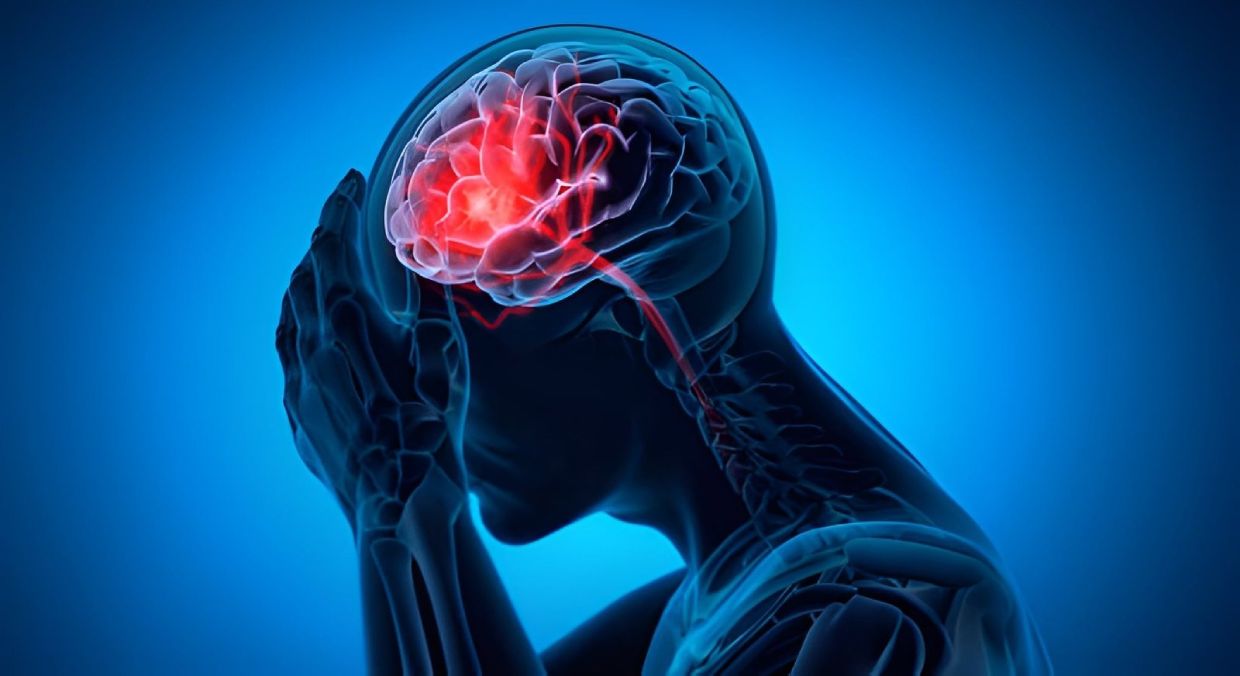
When something feels threatening, the brain and body can prepare to act before you’ve put words to what’s happening. The amygdala helps the brain learn which cues matter, including cues that have signaled danger before. It does this as part of a wider network.
Regions of the prefrontal cortex help you direct attention, weigh options, and adjust your response. Under immediate threat, your attention may narrow around what you need to do in the next few seconds. That can help when getting out of the way matters more than considering every possibility.
Another important brain region in this process is the hippocampus, which scientists believe helps place memories in context. A sound or smell can bring back a reaction associated with an earlier experience before you’ve registered what’s different about the setting you’re in now.
Can trauma change the way your brain works?
Studies comparing groups of people with and without PTSD have found differences in brain structure and activity, including in networks involved in learning and responding to threat. The patterns vary across studies and across people.
The brain retains a capacity to change in response to experience throughout life. This is called neuroplasticity. In practice, that capacity unfolds within the conditions of a person’s life, including how much stress is ongoing, what support is available, and whether there is time to recover.
Studies can describe a pattern across groups, but an individual’s recovery takes shape over time.
Why does trauma affect the nervous system?
The autonomic nervous system helps regulate heart rate, breathing, and digestion, much of it outside conscious awareness. Its branches work together to adjust what the body is doing as demands change, including preparing for action and supporting recovery.
After trauma, you may startle easily, stay watchful, or feel numb or disconnected. The same person might stay alert through a tense conversation and notice how exhausted they are only once they get home.
A response may reflect something you learned in the past, something you’re picking up on now, or both. Paying attention to where and with whom it happens gives you more information about what your body is responding to.
What is the connection between trauma and cortisol?
Cortisol is a hormone that helps regulate energy and follows a daily rhythm. The hypothalamic-pituitary-adrenal system, or HPA axis, helps regulate its release through signals between the brain, pituitary gland, and adrenal glands. During stress, cortisol helps make energy available to meet a demand.
Research on trauma, PTSD, and cortisol shows a mixed picture. Studies have found different patterns depending on which groups researchers compare and how and when they measure cortisol. A single cortisol result actually tells you very little about how someone has been affected by trauma.
How does emotional trauma affect the body?
Because the stress response involves the whole body, its effects can become noticeable in ordinary moments, like trying to sleep or sitting down to eat. You might notice some of the following.
Muscle tension, headaches, or jaw clenching
A racing heart or shallow breathing
Digestive upset or changes in appetite
Fatigue that rest does not seem to fix
Difficulty sleeping or frequent waking
Feeling jumpy, restless, or physically "wired"
These symptoms have many possible causes. A doctor can help evaluate symptoms that persist, are new, or concern you.
What happens to your body after prolonged stress?
Mobilizing for a challenge takes energy. When demands recur with little opportunity to recover, the cost of adapting can accumulate across several systems in the body. Researchers call this cumulative wear and tear allostatic load.
Prolonged stress can affect sleep, mood, concentration, digestion, and cardiovascular health. Someone may keep meeting deadlines and caring for others while sleeping poorly and feeling depleted. I explore that pattern in my article on high-functioning burnout.
Recovery depends in part on whether the conditions allow for it. There is a difference between getting a night off and knowing someone else will take the call when it comes.
How does childhood trauma affect the brain in adulthood?
During childhood, the brain and stress systems are still developing. Research on adverse childhood experiences links prolonged adversity with changes in how children develop and respond to stress. It also links early adversity with higher risks for some mental and physical health difficulties in adulthood.
A child who learns to listen for footsteps before leaving their room may become very good at noticing small changes in other people. Years later, that same attentiveness can shape how they read a silence or a change in tone, even in a relationship where they have more room to ask what’s happening.
But of course, our development continues into adulthood. Over time, being able to ask what someone meant and get a dependable answer can change what you come to expect from a difficult conversation.
How does trauma affect emotional regulation?
Emotional regulation draws on what you sense in your body, how you understand what’s happening, and how others respond to you. After trauma, feelings may arrive suddenly or be hard to access. If showing fear once made a situation more dangerous, holding it in may have helped you get through it.
You might feel irritable or tearful hours after an exchange that seemed to go fine. Or you might realize you went quiet and missed half of what was said. The setting and timing can help you make sense of what you felt and what was possible to express.
Regulation can mean noticing anger early enough to ask for a pause or having someone stay with you while you find words for what you feel. That’s part of what I mean by coherence. What you feel can inform how you respond, even when the feeling is intense.
What can help the brain and body recover?
The starting point depends on what is happening in your life now. A person facing ongoing danger may need practical help with safety. Someone with more room to recover may want support making sense of reactions that still show up.
Start with safety
If you’re facing ongoing harm at home, at work, or elsewhere, practical support with safety matters. A clinician or appropriate local support service can help you consider options in light of the risks and resources you’re dealing with.
Look at your conditions and relationships
Work demands, financial pressure, discrimination, and isolation can affect how much room you have to recover. Some of that load can only change if other people or institutions act. Support can also be immediate and ordinary, like having someone listen, take you seriously, and follow through on what they said they’d do.
Consider trauma-focused therapy
For post-traumatic stress disorder, the VA/DoD clinical practice guideline recommends trauma-focused psychotherapies including cognitive processing therapy (CPT), prolonged exposure (PE), and eye movement desensitization and reprocessing (EMDR). A qualified clinician can help you consider your options in light of your symptoms, circumstances, and preferences.
Use body-based and regulation practices with care
Grounding, comfortable breathing, or gentle movement can be ways to explore nervous system regulation. You might start by noticing something in the room or taking a short walk. If slowing down or focusing on your body increases distress, you can pause and discuss it with a trauma-informed clinician.
When to seek support
Consider speaking with a doctor or a mental health professional if you experience flashbacks, nightmares, intense emotional reactions, ongoing numbness, or symptoms that interfere with sleep, work, or relationships.
In the US, call or text 988 anytime if you're thinking about harming yourself. If you're in immediate danger, call 911.
From stress to coherence after trauma
Think back to the sound of the door. Over time, you may find that you can feel your heart race and still look around long enough to take in where you are. If the situation calls for protection, coherence can also mean trusting what you’re noticing and asking for help. What becomes possible depends in part on whether the people and places around you give you room to respond differently.
Explore The Coherence Method™
The Coherence Method™ course, created by Dr. Katelyn Lehman, is a self-paced educational program with 20 guided modules, each 25 minutes or less, and lifetime access. It offers practices for noticing stress and emotional patterns as they unfold and exploring how you respond in daily life.
Explore the Coherence Method™ course
If you would like one-to-one support, you can learn more about individual psychotherapy with Dr. Katelyn. If you would like a talk on stress, trauma, and well-being for your workplace or event, see the speaking page.
Frequently asked questions
Can trauma cause nervous system dysregulation?
Trauma and prolonged stress can contribute to what people call nervous system dysregulation, a descriptive term for patterns such as staying on edge or feeling numb or disconnected. These patterns can vary with what’s happening around you and the support you have.
Can the brain heal after trauma?
Yes. The brain remains adaptable throughout life, and many people experience improvement with time, support, or treatment. Progress can vary by setting. You might sleep more easily and still feel watchful in certain relationships.
Is trauma the same as PTSD?
No. Trauma refers to the experience and its impact. PTSD is a specific diagnosis that some people develop after trauma. Many people have significant trauma responses without meeting the criteria for PTSD, and they can still benefit from support.
Why does trauma affect my body and not only my emotions?
Stress hormones and the autonomic nervous system reach nearly every organ system, so physical symptoms are common. Because many physical symptoms have other causes, it is worth checking with a doctor.
How long do the effects of trauma last?
The effects vary in duration. Some reactions ease over time. Others persist, especially when adversity is ongoing. If symptoms are distressing or interfering with daily life, you can seek support whenever you need it.
What is the difference between stress and trauma?
Stress is the body’s response to a demand or challenge. Trauma involves experiences or conditions that overwhelm the resources available to cope and can have lasting effects. Prolonged stress and trauma can overlap, particularly when adversity continues over time.
This article is educational and is not a substitute for individualized medical or mental health care.
Sources
National Institute of Mental Health. Post-Traumatic Stress Disorder
American Psychological Association. Stress
Centers for Disease Control and Prevention. About Adverse Childhood Experiences
McEwen, B. S. (1998). Protective and damaging effects of stress mediators. New England Journal of Medicine, 338(3), 171–179.
Felitti, V. J., et al. (1998). Relationship of childhood abuse and household dysfunction to many of the leading causes of death in adults. American Journal of Preventive Medicine, 14(4), 245–258.
Watkins, L. E., Sprang, K. R., & Rothbaum, B. O. (2018). Treating PTSD: A review of evidence-based psychotherapy interventions. Frontiers in Behavioral Neuroscience, 12, 258.
Amygdala, medial prefrontal cortex, and hippocampal function in PTSD. Annals of the New York Academy of Sciences, 2006, 1071, 67–79.